
Boutique Store Decoration Elevating Retail into an Art Form

Boutique store decoration is far more than arranging products neatly on shelves. It is about crafting a space that communicates a brand’s personality, captures attention, and creates a memorable experience for customers. A boutique is not just a store—it is an intimate environment where every detail, from lighting to display, tells a story. In this blog, we explore how thoughtful decoration can transform a boutique into an inspiring retail destination.
boutique-onto-6
Optics-Accessories_onto

Why Boutique Store Decoration Matters

In the competitive retail landscape, first impressions are decisive. The way a boutique looks the moment a customer steps inside shapes their perception of the brand. Boutique store decoration plays a direct role in attracting the right audience, evoking emotions, and encouraging purchases. It is the bridge between product and customer, blending aesthetics and functionality to influence shopping behavior.

Unlike large-scale department stores, boutiques offer a curated, niche selection of products. This makes the visual environment even more important. Every fixture, texture, and color palette must align with the boutique’s identity, making decoration a strategic component of the business model.

Key Principles of Successful Boutique Store Decoration

1. Defining the Brand Story

A boutique’s decoration should be a visual extension of its brand story. Whether the identity is modern and minimalistic, vintage and nostalgic, or luxurious and opulent, design choices should consistently reflect these values. For example, a boutique selling handcrafted jewelry may opt for warm wood tones, soft lighting, and artisan display cases to reinforce its artisanal image.

2. Optimizing the Layout

Boutique spaces are often smaller than standard retail outlets, which makes layout design crucial. The decoration should create a sense of openness without overcrowding. Smart zoning can guide customers through the store naturally, allowing them to discover products while enjoying a relaxed and intimate atmosphere.

3. Choosing a Cohesive Color Palette

Color impacts mood, perception, and even purchasing decisions. Boutique store decoration often employs a focused palette to create visual harmony. Neutral tones paired with brand-specific accent colors can make products stand out without overwhelming the space.

4. Integrating Lighting as a Design Element

Lighting in a boutique is more than a functional necessity—it is a mood-setter. Warm, layered lighting can create a cozy environment, while spotlights can highlight key merchandise. Decorative fixtures, such as pendant lamps or wall sconces, can double as design statements, enhancing the store’s personality.

5. Curating Display Elements

Fixtures, shelving, and product stands must complement the boutique’s style. Open shelving can create a more accessible feel, while enclosed glass cases can add an air of exclusivity. Display tables, mannequins, and thematic props can be used to create storytelling vignettes that inspire customers.

The Role of Sensory Experience in Boutique Store Decoration

Decoration is not just visual—it is multisensory. Music, scents, and textures all contribute to a customer’s overall impression. A carefully chosen playlist can enhance the brand’s vibe, while subtle scents can evoke emotions that encourage customers to linger. Textural elements, such as plush rugs or velvet seating, add tactile richness to the shopping experience.

Seasonal and Thematic Changes

One of the advantages of boutiques is their flexibility to adapt to seasons, holidays, or special events. Boutique store decoration can be updated to reflect these themes, creating fresh experiences for returning customers. This adaptability helps boutiques remain relevant and exciting throughout the year. For example, during the winter season, warm lighting, festive décor, and rich textures can create a cozy, inviting space. In contrast, spring decoration might feature airy fabrics, pastel tones, and fresh floral arrangements.

Technology and Boutique Store Decoration

Modern boutique store decoration can integrate digital elements to enhance customer engagement. Interactive displays, digital lookbooks, and touch-screen kiosks can merge the physical and digital retail worlds. Even small boutiques can benefit from integrating QR codes on displays, allowing customers to access more product information or styling tips.

Sustainability as a Design Choice

Sustainability is becoming a key factor in retail design. Boutique decoration can embrace eco-friendly principles by using reclaimed wood, recycled materials, and energy-efficient lighting. This not only appeals to environmentally conscious shoppers but also positions the boutique as a socially responsible brand.

Inspiration from Real Projects

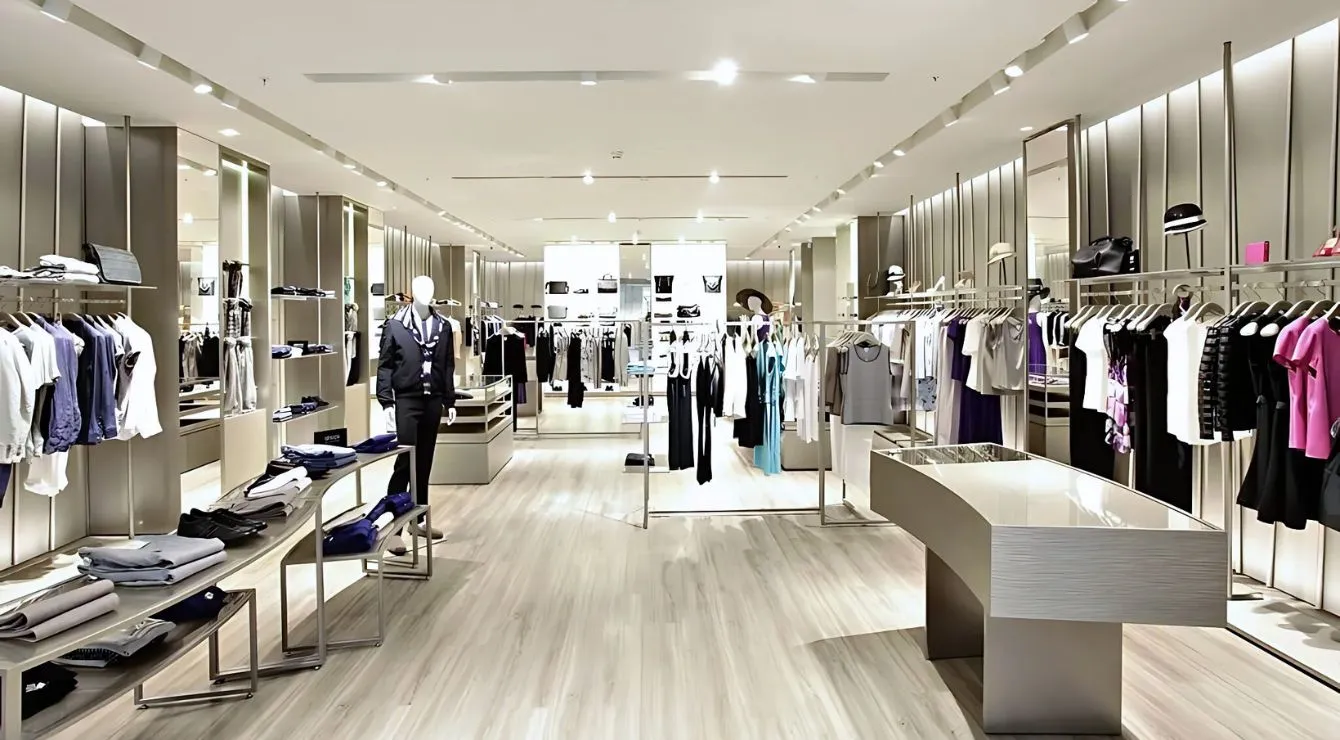
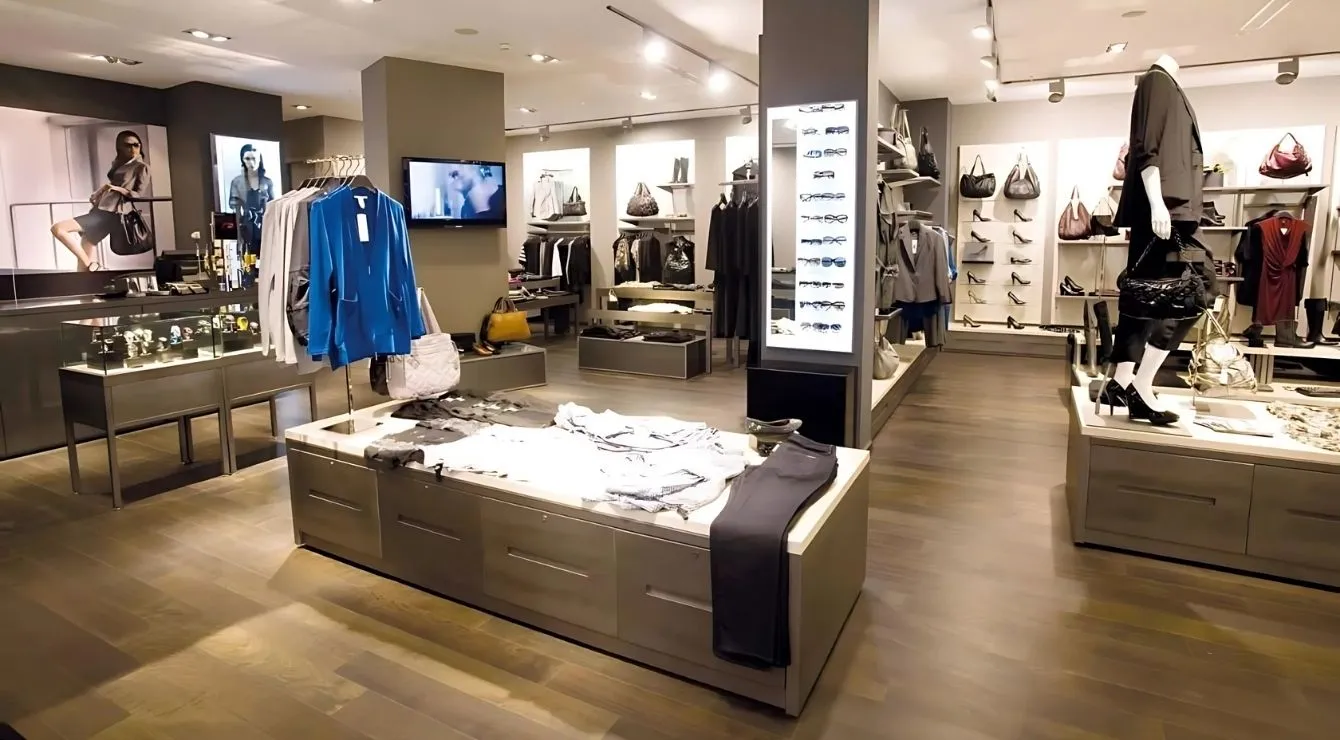
To see how boutique store decoration transforms retail environments into brand showcases, explore this boutique project. It demonstrates how thoughtful design choices, from fixtures to lighting, can create an atmosphere that resonates with customers while staying true to the brand identity.

Boutique Store Decoration Tips for Retailers

  1. Prioritize your brand story – Every decoration choice should reinforce what your boutique stands for.
  2. Maximize small spaces – Use mirrors, strategic lighting, and modular displays to make your store feel larger.
  3. Invest in quality fixtures – Durable, aesthetically pleasing fixtures enhance both appearance and function.
  4. Rotate visual displays – Regular updates keep the store fresh and encourage repeat visits.
  5. Incorporate art and culture – Collaborations with local artists or thematic installations can make the boutique feel unique and rooted in the community.

Boutique Store Decoration as a Competitive Edge

In today’s retail environment, where e-commerce continues to grow, boutiques have the opportunity to stand out through immersive, in-person experiences. Boutique store decoration is one of the most effective tools for creating such experiences. It allows retailers to engage customers emotionally, make lasting impressions, and turn shopping into a journey rather than a transaction.