
In the competitive world of modern retail, the physical store remains a vital part of customer experience. While e-commerce is growing rapidly, many customers still prefer to visit physical locations where they can interact with products, experience brand values, and engage in personal shopping journeys. At the heart of this process lies store construction the art and science of transforming a brand vision into a physical space that attracts, inspires, and drives sales.
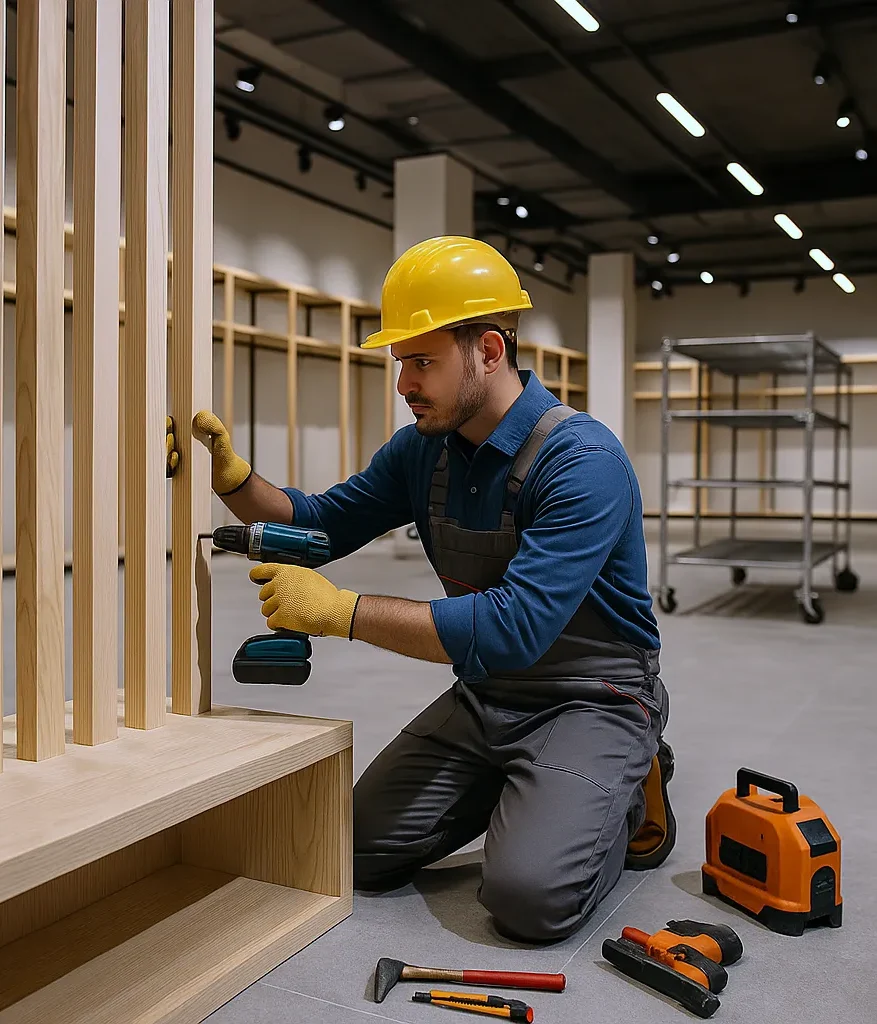
The construction of a store goes beyond simple functionality. Done right, it directly influences:
Brand Identity: Every detail, from flooring to lighting, reflects who the brand is and what it stands for.
Customer Experience: Well-constructed stores offer comfort, accessibility, and flow, making shopping easy and enjoyable.
Operational Efficiency: Properly built spaces optimize staff workflow, reduce maintenance costs, and improve product display.
Sustainability: Store construction can integrate eco-friendly practices, supporting both the environment and the brand’s corporate image.
1. Planning and Design
The first step in store construction is understanding the brand’s vision and translating it into detailed architectural and design plans. This phase ensures that the space reflects brand identity while meeting technical and legal requirements.
2. Material Selection
Choosing the right materials is critical. Wood, glass, metal, and plexiglass are common choices, each offering unique strengths. Sustainable materials are increasingly in demand, helping reduce environmental impact while aligning with consumer expectations.
3. Infrastructure and Building
At this stage, construction teams create the physical structure, ensuring durability, safety, and compliance with building codes. Elements such as HVAC systems, lighting installations, and electrical wiring are integrated seamlessly into the overall design.
4. Furniture and Fixture Installation
Store construction also involves manufacturing and installing customized fixtures, shelving units, display tables, and counters. These elements shape the way products are presented and influence customer movement within the store.
5. Finishing and Detailing
Final touches, such as paint, signage, and decorative details, complete the store’s look and feel. These details ensure that the store is not only functional but also emotionally engaging for visitors.
Technology has transformed the store construction process. Digital planning tools, ERP systems, and 3D modeling software enable precise visualization before work begins. Smart lighting systems, digital signage, and interactive kiosks can also be integrated into the build to modernize the retail environment.
To see how store construction brings brand stories to life, explore this boutique project. It demonstrates how carefully chosen materials, precision craftsmanship, and thoughtful layouts can turn a retail environment into a powerful extension of the brand identity.
The future of store construction will be defined by adaptability, digital integration, and sustainability. Modular designs will allow rapid campaign changes, smart technologies will enhance customer journeys, and eco-friendly practices will become the standard rather than the exception. The ultimate goal is to build spaces that go beyond sales they will create meaningful connections between brands and their customers.