
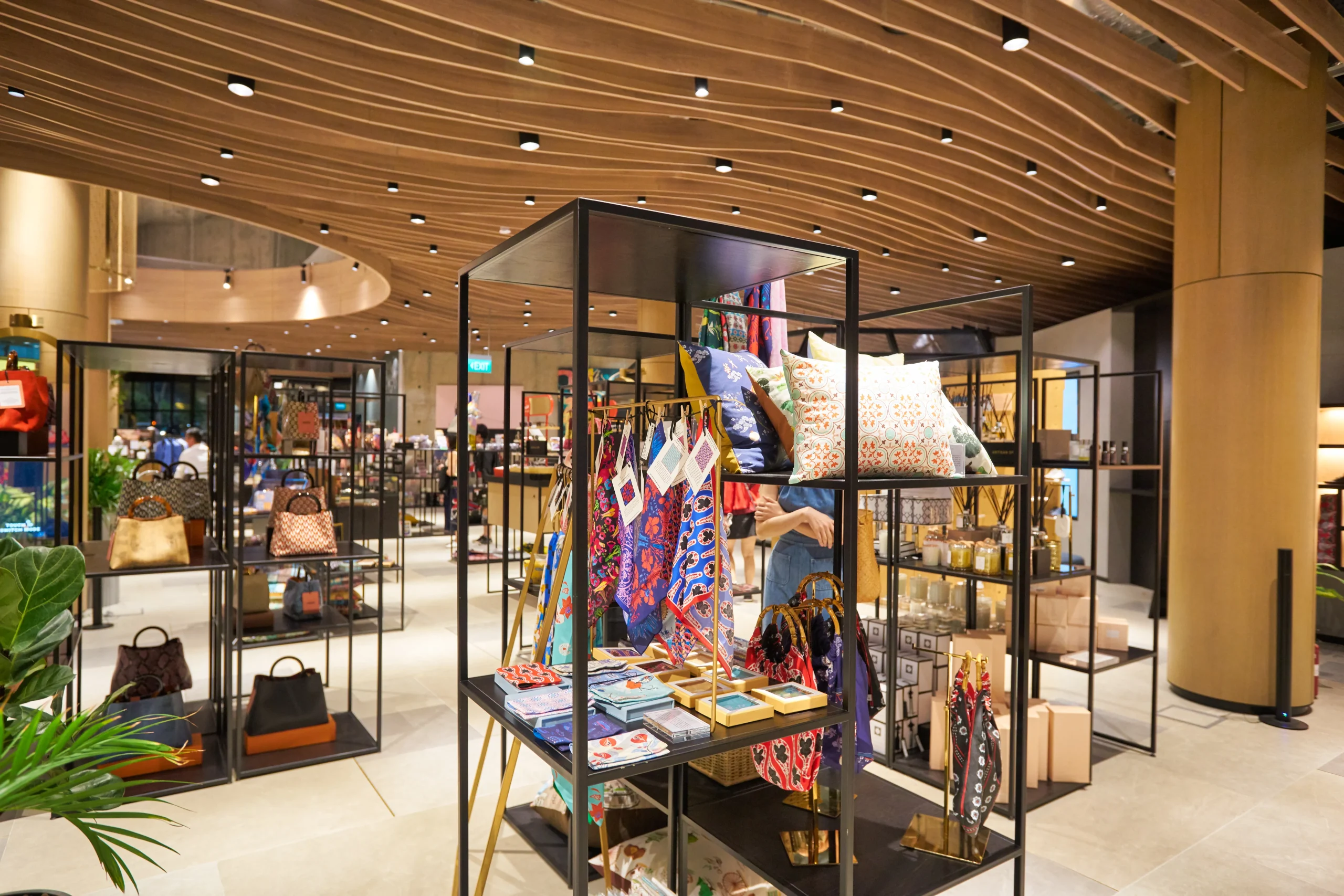
Boutique Design Creating Character Driven Retail Experiences

In an increasingly competitive retail world, customers no longer visit stores only to purchase products. They seek inspiration, emotion and connection. This shift has placed boutique design at the center of modern retail strategy. Boutique design transforms small and medium sized retail spaces into meaningful environments where identity, atmosphere and storytelling come together. Rather than focusing on volume or uniformity, boutique design emphasizes individuality. Each space becomes a reflection of a distinct point of view, inviting customers into a carefully curated experience.

What Is Boutique Design?

Boutique design is a design approach that prioritizes character, detail and emotional engagement. It is commonly applied to smaller retail spaces, but its impact goes far beyond scale. Boutique design focuses on crafting environments that feel personal, intentional and authentic. Every design decision within boutique design is deliberate. Materials, lighting, layout and product presentation are selected to support a cohesive narrative. The goal is not to display as many products as possible, but to present them in a way that enhances their perceived value.

Why Boutique Design Matters

Today’s consumers are drawn to spaces that feel human and meaningful. Boutique design answers this demand by creating environments that encourage exploration and emotional connection.

A well executed boutique design can

  • Strengthen brand identity
  • Increase perceived product value
  • Encourage longer store visits
  • Support premium positioning
  • Build customer loyalty

In a market dominated by standardized retail formats, boutique design offers a powerful way to stand out.

Core Principles of Boutique Design

Atmosphere and Identity
Atmosphere is the foundation of boutique design. Each boutique should communicate a clear identity that aligns with the brand’s values and aesthetic language. Whether the atmosphere is calm, artistic, minimal or expressive, consistency is essential. Lighting, color tones, textures and even sound contribute to the overall mood. Together, these elements create an environment that customers feel rather than simply observe.
Material Selection
Boutique design places strong emphasis on material quality. Natural materials such as wood, stone, glass and fabric are often preferred for their tactile and visual richness. These materials add warmth and depth, helping the space feel inviting and authentic. Carefully selected materials also signal craftsmanship and attention to detail, reinforcing trust and quality perception.
Layout and Flow
Unlike traditional retail layouts, boutique design often uses fluid and flexible spatial arrangements. Open pathways encourage customers to move freely and discover the space at their own pace. Instead of rigid product zones, boutique layouts rely on visual cues and focal points to guide movement naturally. This sense of exploration enhances engagement and makes each visit feel unique.
Curated Product Presentation
In boutique design, product presentation is treated as an art form. Products are displayed selectively, allowing each item to stand out. This curated approach reduces visual clutter and directs attention more effectively. By presenting fewer products with greater intention, boutique design elevates the shopping experience and enhances perceived exclusivity.
Lighting as an Experience Tool
Lighting plays a critical role in boutique design. Soft and balanced lighting creates intimacy, while focused lighting highlights textures and details. Light is used not only for visibility, but also to shape emotion and atmosphere. Thoughtful lighting design helps define zones within the store and supports the overall narrative of the space.

Boutique Design and Customer Psychology

Boutique design has a direct impact on how customers feel and behave within a store. Calm and balanced environments encourage slower browsing and deeper engagement. When customers feel comfortable, they are more likely to connect emotionally with the brand. This emotional connection often leads to stronger brand recall and long term loyalty. Boutique design creates a sense of belonging, making customers feel that the space was designed specifically for them.

Sustainability in Boutique Design

Sustainability aligns naturally with boutique design philosophy. Instead of short term trends, boutique spaces often focus on timeless design and durable materials. This approach reduces the need for frequent renovations and minimizes environmental impact.

Sustainable boutique design may include

  • Long lasting materials
  • Energy efficient lighting
  • Modular furniture systems
  • Responsible sourcing

These choices support both environmental responsibility and long term operational efficiency.

The Role of Technology in Boutique Design

While boutique design values craftsmanship and authenticity, technology can enhance the experience when used thoughtfully. Digital elements such as interactive displays or smart lighting can support storytelling without overwhelming the space. The key is balance. Technology should serve the design rather than dominate it, preserving the intimate nature of the boutique environment.

The Future of Boutique Design

As retail continues to evolve, boutique design will become even more relevant. Consumers increasingly value personalized experiences and meaningful environments. Boutique design responds to this shift by offering spaces that feel curated, expressive and emotionally engaging.

Future boutique spaces will continue to blend sustainability, craftsmanship and subtle technology to create deeper connections between brands and customers.

Boutique Design as a Strategic Choice

Ultimately, boutique design is more than an aesthetic preference. It is a strategic approach to retail that places experience at the forefront. By focusing on detail, atmosphere and authenticity, boutique design turns stores into destinations rather than transaction points. A thoughtfully designed boutique leaves a lasting impression, inviting customers not only to shop, but to return.