
Boutique Store Design: Creating Meaningful and Distinct Retail Experiences

In an increasingly competitive retail landscape, consumers no longer visit physical stores solely to purchase products. They seek inspiration, emotion, and connection. This shift has positioned the boutique store concept at the heart of modern retail strategy. Unlike standardized retail formats, a boutique store focuses on individuality, character, and curated experiences that resonate on a personal level.
A boutique store is not defined by size, but by intention. Every design decision from layout to lighting serves a purpose. The goal is not to display as many products as possible, but to present them in a way that enhances perceived value and builds emotional engagement. When executed correctly, boutique store design transforms retail spaces into immersive brand environments.
Layout and Customer Flow

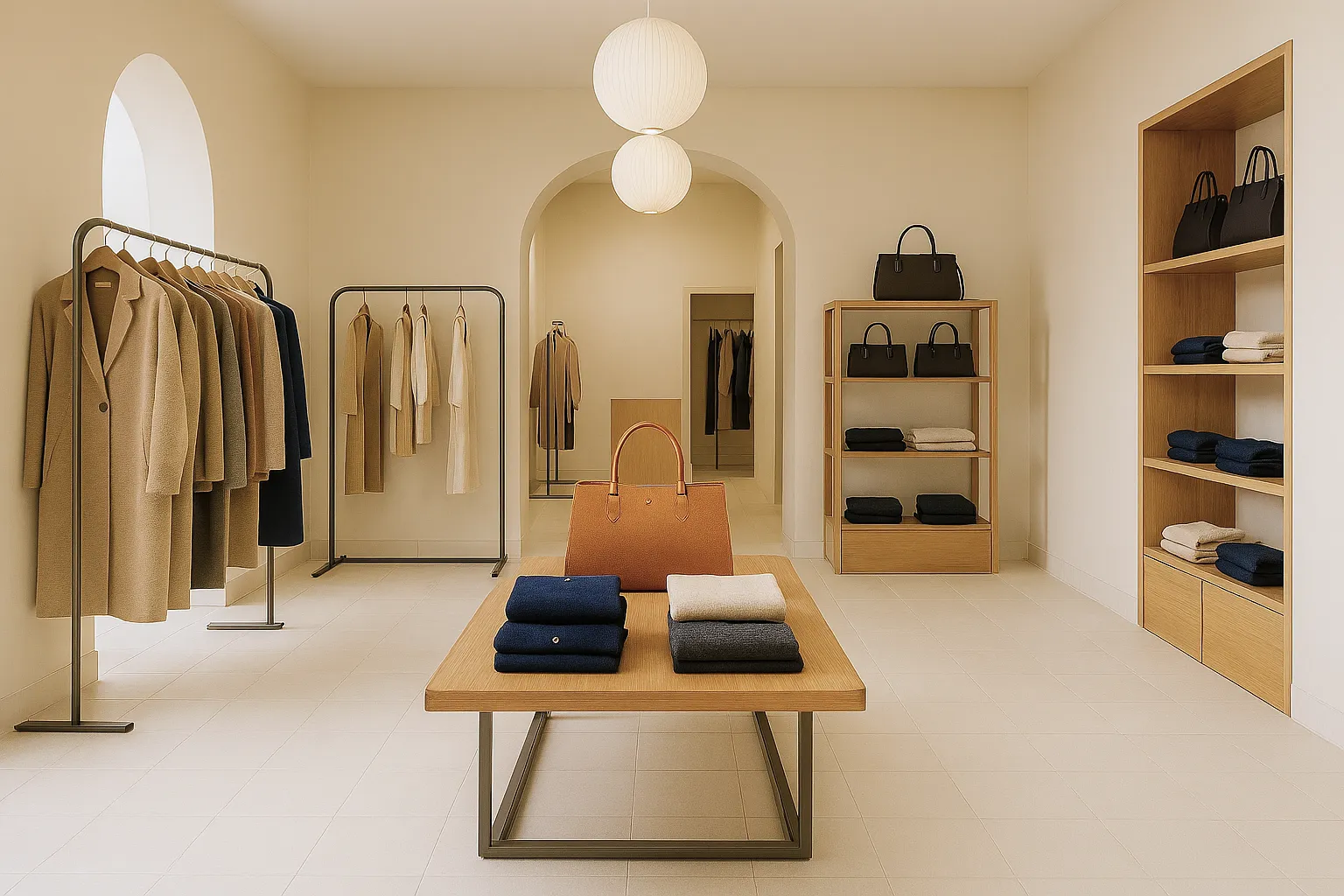
Unlike traditional retail environments that rely on rigid zoning, a boutique store typically adopts a more fluid layout. Open pathways encourage customers to move freely and discover products at their own pace. Instead of directing movement with signage, boutique layouts rely on visual cues and focal points to guide exploration naturally. This approach supports longer store visits and deeper engagement. Central display tables, curated product groupings, and flexible fixtures allow the space to evolve with seasonal collections or new product launches. A well‑planned boutique store layout enhances both the customer journey and operational efficiency.

Material Selection and Craftsmanship

Material quality is a defining characteristic of a boutique store. Natural materials such as wood, stone, glass, and fabric are often preferred for their tactile and visual richness. These materials add warmth, depth, and authenticity to the space, reinforcing a sense of craftsmanship and attention to detail. High‑quality materials also contribute to durability and sustainability. A boutique store designed with long‑lasting materials maintains its aesthetic appeal over time while reducing maintenance needs. This balance between beauty and practicality strengthens long‑term brand perception.

Storytelling Through Design

One of the most powerful aspects of a boutique store is its ability to tell a story. Storytelling in retail design is not linear; it unfolds as customers move through the space. Every element product presentation, furniture, lighting, and even negative space contributes to a cohesive narrative. Rather than overwhelming customers with quantity, boutique stores focus on curation. Fewer products, displayed with intention, often result in higher perceived value. This approach allows customers to connect emotionally with both the products and the space, creating memorable experiences that extend beyond the visit itself.

Flexibility and Future‑Ready Design

Modern boutique store design must also consider flexibility. Modular fixtures, adaptable displays, and reconfigurable layouts allow the space to respond to changing collections, campaigns, and customer expectations. This adaptability ensures that the boutique store remains relevant and dynamic over time. Technology integration further enhances future readiness. Subtle digital touchpoints, data‑driven insights, and smart lighting systems can support both customer experience and operational decision‑making without disrupting the boutique atmosphere.

Designing Meaningful Boutique Store Experiences

A boutique store is more than a retail space it is a carefully crafted environment where design, emotion, and identity converge. By prioritizing atmosphere, material quality, storytelling, and flexibility, boutique store design creates meaningful retail experiences that foster loyalty and differentiation. In a market increasingly driven by experience, the boutique store stands out as a powerful expression of intentional retail design.