
Commercial Store Design is a strategic approach to designing retail environments that balance functionality, customer experience, and brand identity. In today’s competitive market, a store must do more than display products. It should attract customers, guide their shopping journey, and create an environment that encourages purchasing decisions.
A well-executed Commercial Store Design project helps retailers maximize space efficiency, improve product visibility, and strengthen their brand presence. Whether for a fashion retailer, electronics store, supermarket, or specialty shop, commercial design directly impacts customer engagement and overall business performance.
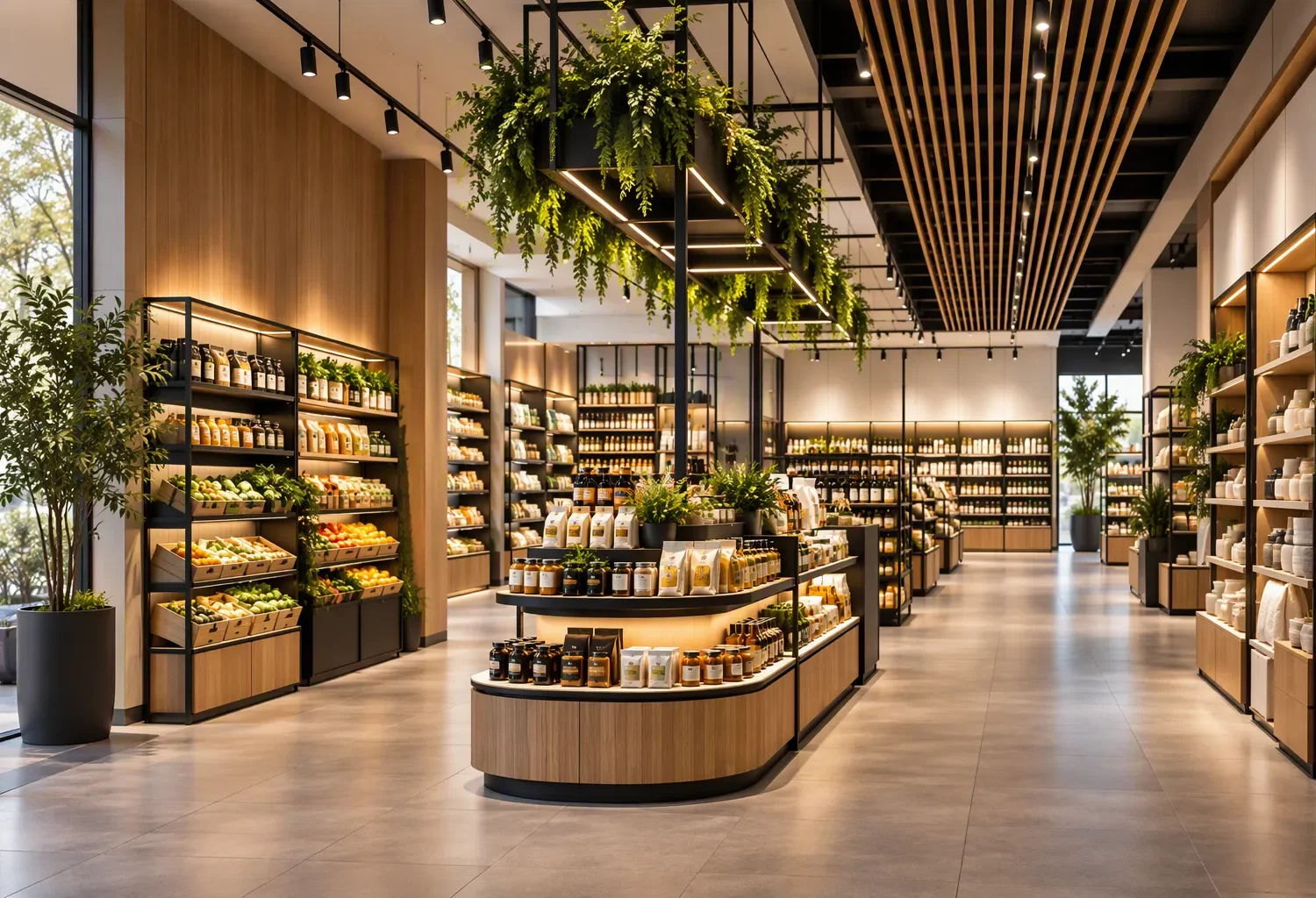
Commercial Store Design is the process of planning, designing, and organizing retail environments to support business objectives and customer needs. It combines architecture, interior design, visual merchandising, and operational planning to create spaces that are both attractive and functional.
Unlike residential or office design, commercial retail design focuses heavily on customer flow, merchandising strategies, and sales optimization. Every square meter of space is carefully considered to support both customer experience and store operations.
The physical environment of a store influences how customers interact with products and perceive a brand. A poorly planned store can create confusion, reduce engagement, and negatively impact sales.
Investing in Commercial Store Design provides several advantages:
An effective design strategy creates a shopping environment that is easy to navigate, visually appealing, and aligned with customer expectations.
Store Layout Planning
Store layout is one of the most important components of Commercial Store Design. A successful layout guides customers naturally through the retail space while maximizing exposure to products.
Popular retail layouts include:
The right layout depends on the store concept, target audience, and product range.
Visual Merchandising
Visual merchandising helps retailers present products in a way that attracts attention and encourages purchases.
Effective merchandising strategies can:
Well-designed displays contribute significantly to the overall shopping experience.
Lighting Design
Lighting influences customer perception and product presentation. It can create atmosphere, direct attention, and enhance the overall aesthetic of a retail environment.
A successful Commercial Store Design project typically combines:
Together, these elements create a balanced and welcoming environment.
Fixtures and Display Systems
Shelving systems, display units, counters, and product stands should support both functionality and aesthetics.
Modern retailers increasingly prefer flexible display systems that can be adapted to changing product categories, seasonal campaigns, and promotional requirements.
Brand Consistency
Every design element should support the brand’s identity. Colors, materials, signage, and fixtures all contribute to creating a recognizable and memorable environment.
Consistent branding helps customers connect with the store and reinforces trust in the business.
Customer experience has become a major differentiator in retail. Today’s consumers expect convenience, comfort, and engagement throughout the shopping journey.
Commercial Store Design improves customer experience by:
A positive shopping experience can increase customer satisfaction, encourage repeat visits, and strengthen brand loyalty.
Flexible Retail Spaces
Retailers are increasingly adopting modular design solutions that allow stores to adapt quickly to changing inventory and customer demands.
Sustainable Design Approaches
Sustainability has become a key priority in retail projects. Recyclable materials, energy-efficient lighting, and environmentally responsible construction methods are increasingly incorporated into store designs.
Technology Integration
Digital displays, interactive kiosks, smart shelving systems, and omnichannel technologies are becoming common features of modern commercial environments.
Experience-Oriented Retail
Many retailers are transforming stores into destinations by incorporating interactive zones, demonstration areas, and experiential elements that encourage customer engagement.
Commercial Store Design is more than an aesthetic investment. It is a business strategy that influences customer behavior, operational efficiency, and brand perception.
A thoughtfully designed retail environment can improve store performance, maximize available space, and create meaningful customer experiences. As competition continues to increase, businesses that prioritize strategic store design are better positioned to attract customers and achieve long-term growth.