Modular Store Furniture for Flexible and Future Ready Retail Spaces

Retail environments are evolving rapidly as consumer expectations, product cycles, and store concepts continue to change. To keep pace with this transformation, retailers increasingly rely on modular store furniture to create spaces that are adaptable, efficient, and visually consistent. This approach allows retail brands to update layouts quickly while maintaining strong operational control. By using modular store furniture, retailers can respond to seasonal demands, new collections, and changing customer journeys without costly structural modifications.

Understanding Modular Store Furniture Systems

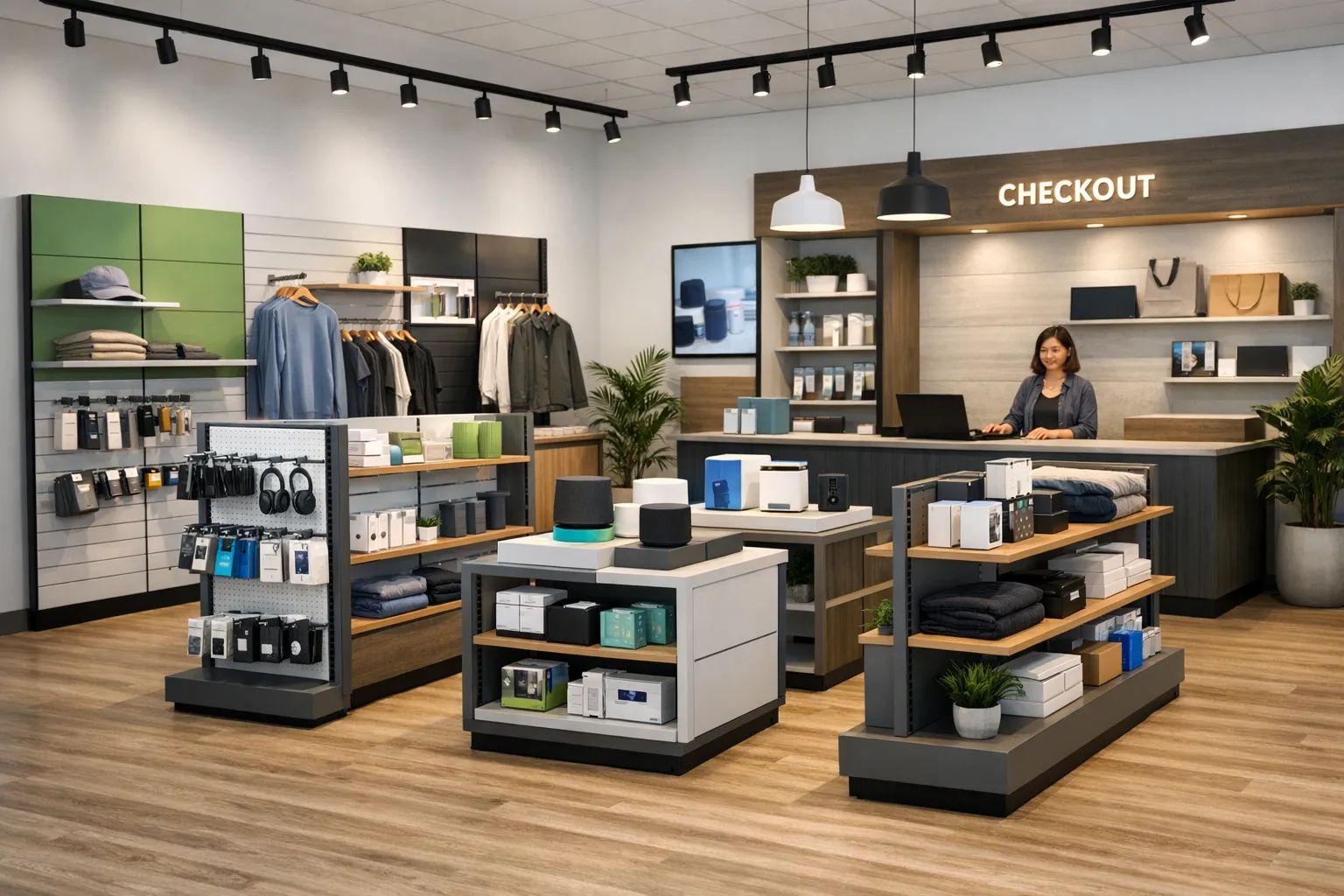
Modular store furniture refers to retail fixtures designed as interchangeable components that can be assembled, reconfigured, or expanded as needed. Unlike fixed installations, modular store furniture is built around standardized elements such as frames, shelves, panels, and connectors. Because modular store furniture systems are based on repeatable dimensions, retailers can redesign store layouts using existing components instead of replacing entire fixtures. This makes modular store furniture a practical solution for both single locations and multi store retail chains.

Why Modular Store Furniture Is Essential for Modern Retail

The growing demand for flexibility has made modular store furniture a core element of modern retail design strategies.

Layout Adaptability

With modular store furniture, layouts can be modified to support new product assortments, promotions, or traffic flow changes. Gondola systems, wall units, and freestanding displays can be rearranged in a short amount of time without professional installation teams.

Long Term Cost Efficiency

Although the initial investment in modular store furniture may be similar to traditional fixtures, the long term financial advantages are significant. Components can be reused, upgraded, or relocated, reducing renovation costs and material waste over time.

Operational Consistency Across Stores

Retail chains benefit from modular store furniture by maintaining visual and functional consistency across different locations. Standardized modules ensure that brand identity, shelving logic, and customer experience remain aligned regardless of store size or geography.

Core Elements of Modular Store Furniture

A successful modular store furniture system combines multiple elements into a cohesive whole, supporting merchandising, storage, and customer interaction.

Gondola and Central Display Units

Gondola shelving is one of the most common forms of modular store furniture. Adjustable shelves, hooks, and dividers allow retailers to display various product categories using the same structural framework. These units are ideal for supermarkets, drugstores, and general merchandise retailers.

Modular Wall Display Systems

Wall based modular store furniture maximizes vertical space and supports clean, organized store layouts. Panels can accommodate shelving, hanging systems, digital screens, or branding elements, all within a flexible configuration.

Checkout and Service Furniture

Checkout areas benefit significantly from modular store furniture design. Modular counters allow retailers to integrate new payment technologies, self checkout solutions, or customer service stations without replacing the entire front end structure.

Accessories and Functional Add Ons

Lighting modules, signage holders, drawers, and security features extend the functionality of modular store furniture. These add ons help stores adapt quickly to promotions, campaigns, or product launches with minimal effort.

Retail Segments That Benefit from Modular Store Furniture

The versatility of modular store furniture makes it suitable for a wide range of retail formats.

Grocery and Supermarket Retail

High product turnover and frequent promotions require shelving systems that can be adjusted quickly. Modular store furniture supports efficient space utilization while meeting heavy load and durability requirements.

Fashion and Lifestyle Stores

In fashion retail, visual merchandising changes regularly. Modular store furniture allows brands to refresh displays and storytelling elements without interrupting daily operations.

Electronics and Specialty Stores

Electronics retailers often need a mix of open displays, secure units, and demo areas. Modular store furniture makes it possible to combine these needs into one integrated system.

Pop Up and Temporary Retail Spaces

Pop up stores rely heavily on mobility and fast installation. Modular store furniture is ideal for temporary retail environments because components can be reused across multiple locations and concepts.

Sustainability Advantages of Modular Store Furniture

Sustainability plays an increasingly important role in retail investment decisions. Modular store furniture inherently supports circular design principles. By reusing components, retailers reduce material waste and extend the lifecycle of store fixtures. Modular store furniture also simplifies logistics during store relocations or downsizing, lowering transportation and disposal impact.

Planning an Effective Modular Store Layout

To maximize the benefits of modular store furniture, careful planning is essential. Retailers should consider product mix, customer flow, and future scalability when selecting systems. When modular store furniture is integrated with lighting, signage, and digital tools from the beginning, it creates a cohesive environment that supports both functionality and brand expression. A data driven approach to layout planning ensures flexibility without compromising efficiency.

Building Resilient Retail Spaces with Modular Store Furniture

As retail spaces continue to evolve, adaptability has become a competitive advantage. Modular store furniture enables retailers to redesign, scale, and refresh stores without continuous structural investment. By choosing modular store furniture systems, retailers build environments that are prepared for future changes while maintaining operational efficiency and visual consistency. This flexibility supports long term growth and helps brands remain responsive in an increasingly dynamic retail landscape.