
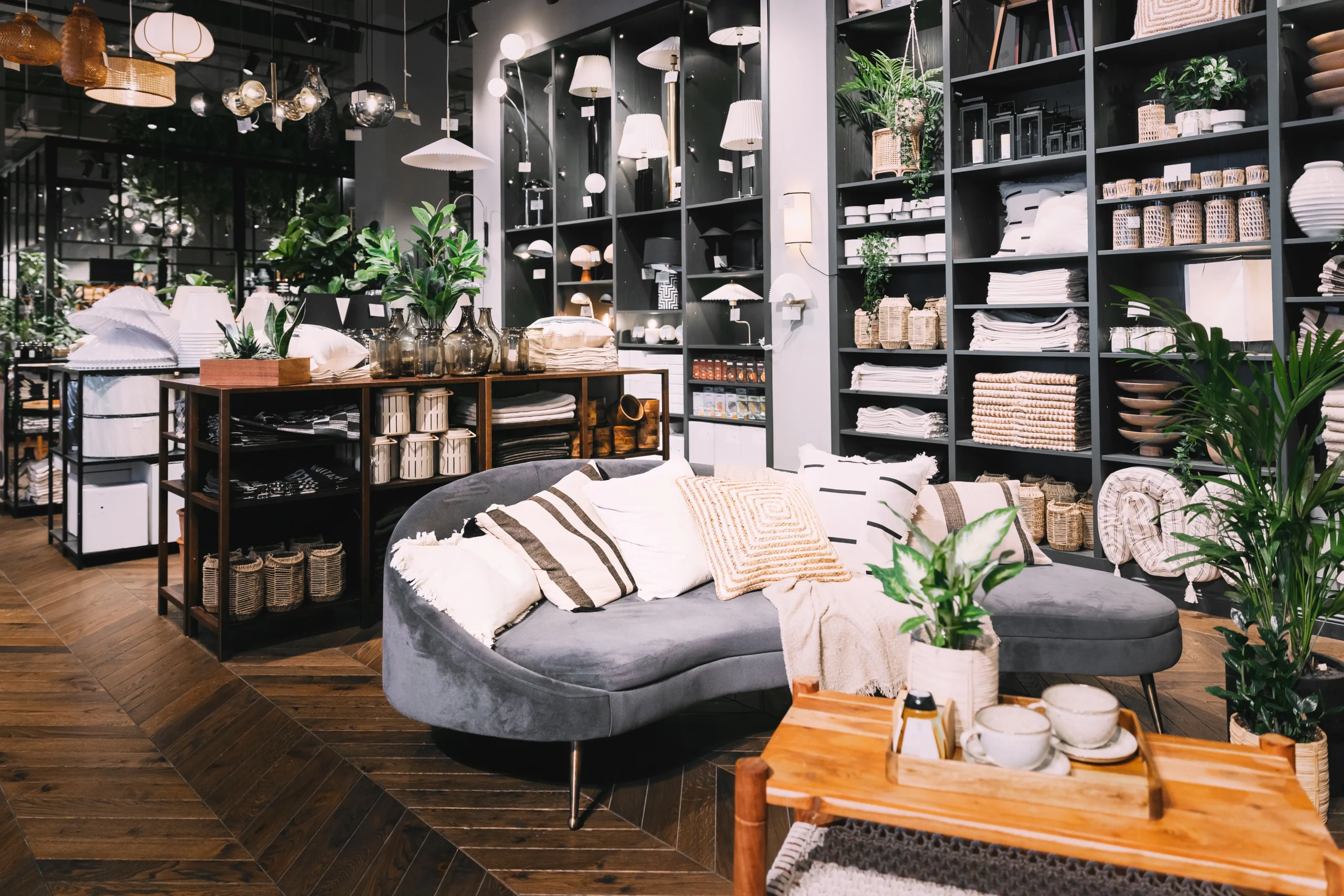
Store Design: Creating Meaningful Retail Experiences

In today’s competitive retail landscape, physical stores are no longer just points of sale. They are environments where brands communicate identity, values and emotion. This transformation places store design at the center of modern retail strategy. A well planned store design influences how customers move, feel and interact within a space. It directly affects perception, engagement and purchasing behavior.

What Is Store Design?

Store design refers to the strategic planning and visual structuring of a retail space. It includes layout planning, material selection, lighting, color usage, furniture placement and customer flow design. Effective store design balances aesthetics with functionality, ensuring that the space supports both the brand story and operational efficiency. Rather than focusing only on appearance, store design shapes the entire customer journey. From the moment a visitor enters the store until checkout, every design decision guides behavior and experience.

Why Store Design Matters in Retail?

The importance of store design lies in its ability to turn a visit into an experience. When customers feel comfortable, inspired and engaged, they stay longer and interact more with products.

A successful store design helps to:

  • Strengthen brand recognition
  • Improve product visibility
  • Create emotional connection
  • Increase dwell time
  • Support sales performance

In crowded retail markets, store design becomes a key differentiator that sets brands apart.

Core Elements of Effective Store Design

Layout and Spatial Planning

The foundation of store design is layout. A clear and intuitive layout allows customers to navigate the space effortlessly. Poor layout creates confusion and reduces engagement.

Common layout strategies include:

  • Grid layouts for structured and high volume retail
  • Loop layouts that guide customers through the store
  • Free flow layouts that encourage exploration

Choosing the right layout depends on the product category, store size and customer expectations.

Customer Flow and Movement

Store design strongly influences how customers move within a space. Strategic placement of focal points, open pathways and transition zones encourages discovery. Effective customer flow design ensures that visitors experience key product areas naturally without feeling forced. This leads to a more relaxed and enjoyable shopping journey.

Visual Merchandising Integration

Visual merchandising works hand in hand with store design. Displays, tables and feature walls highlight products and communicate brand stories. Rather than overwhelming customers, thoughtful store design supports curated presentation. Fewer products displayed with intention often result in higher perceived value.

Lighting as a Design Tool

Lighting is one of the most powerful elements of store design. It affects mood, focus and perception.

Layered lighting approaches combine:

  • Ambient lighting for overall atmosphere
  • Accent lighting to highlight products
  • Task lighting for functional areas

Proper lighting enhances textures, colors and materials, making products more appealing.

Material and Color Selection

Materials and colors define the emotional tone of a store. Natural materials create warmth, while metal and glass communicate modernity and precision.

Color psychology plays a major role in store design:

  • Neutral tones create calm and elegance
  • Dark colors add sophistication
  • Light tones enhance openness

Consistency in material and color usage reinforces brand identity.

Store Design and Brand Identity

Every store is a physical expression of a brand. Store design translates abstract brand values into tangible form. A minimalist brand may choose clean lines and subtle colors, while a bold lifestyle brand may use strong contrasts and expressive forms. When store design aligns with brand identity, customers instantly recognize and connect with the brand. Consistency across locations further strengthens trust and familiarity.

Technology in Modern Store Design

Technology has become an essential component of contemporary store design. Digital tools improve both planning and in store experience.

Examples include:

  • Interactive screens for product information
  • Smart lighting systems
  • Digital pricing solutions
  • Data driven layout optimization

When integrated thoughtfully, technology enhances engagement without overwhelming the physical environment.

Sustainability in Store Design

Sustainability is no longer optional in store design. Brands increasingly consider environmental impact when designing retail spaces.

Sustainable store design focuses on:

  • Durable and recyclable materials
  • Energy efficient lighting
  • Modular furniture systems
  • Long term adaptability

These choices reduce waste and appeal to environmentally conscious consumers while supporting long term cost efficiency.

Emotional Impact of Store Design

Beyond function and aesthetics, store design influences emotion. Atmosphere, scale and sensory details shape how customers feel inside a space.

A well designed store can:

  • Create comfort and trust
  • Encourage curiosity
  • Build emotional attachment
  • Strengthen brand loyalty

This emotional layer is what transforms a store from a place into an experience.

The Future of Store Design

The future of store design will be driven by flexibility, personalization and experience. Retail spaces will continue to evolve as hybrid environments where physical and digital interactions merge.

Key trends include:

  • Modular and adaptable layouts
  • Experience focused zones
  • Personalized customer journeys
  • Sustainable construction methods

Brands that invest in forward thinking store design will remain relevant in a changing retail landscape.

Store Design as a Strategic Investment

Ultimately, store design is not a decorative choice. It is a strategic investment that impacts brand perception, customer satisfaction and commercial success.

A thoughtfully designed store creates clarity, comfort and connection. It supports storytelling, enhances functionality and builds lasting relationships between brands and customers.