
Perakende İç Mekan Tasarımı, rafları düzenlemek ve dekoratif unsurları seçmekten çok daha fazlasıdır. Müşteri deneyimini geliştiren, marka kimliğini güçlendiren ve iş hedeflerini destekleyen bir perakende ortamı şekillendirme sürecidir. Tüketici beklentileri gelişmeye devam ettikçe, perakendeciler mağazaları ilgi çekici ve akılda kalıcı destinasyonlara dönüştüren düşünceli iç mekan tasarım çözümlerine giderek daha fazla yatırım yapmaktadır.
İyi tasarlanmış bir perakende alanı, müşteriler, ürünler ve markanın kendisi arasında kusursuz bir bağlantı kurar. Stratejik planlama yoluyla perakendeciler, keşfetmeyi teşvik eden, etkileşimi artıran ve nihayetinde satışları artıran ortamlar geliştirebilirler.
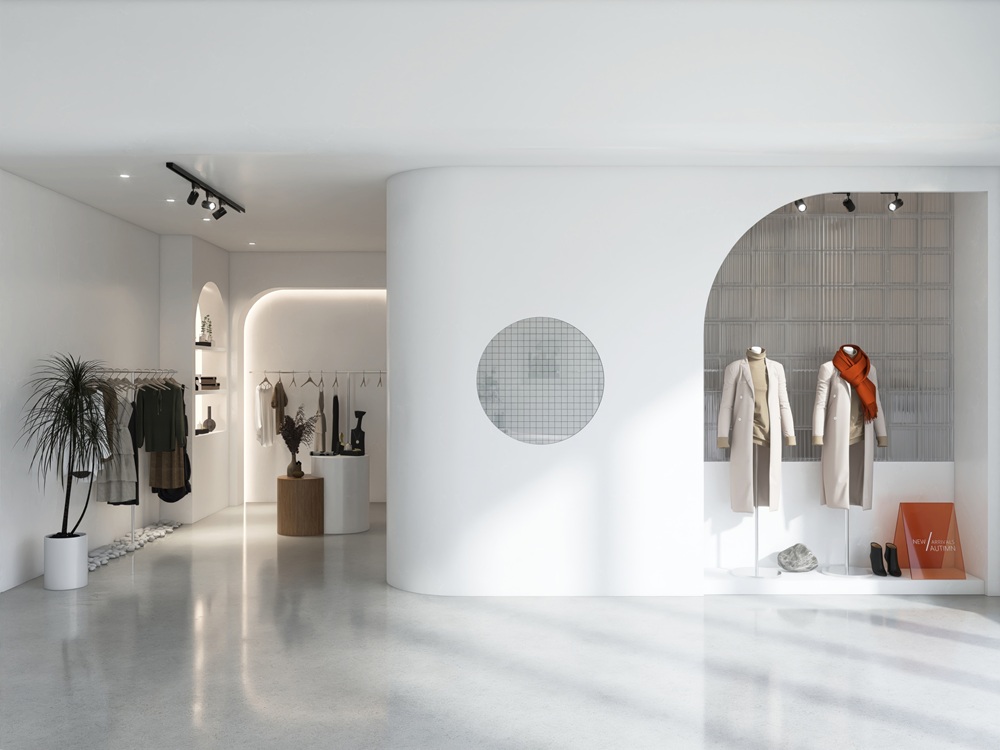
Perakende İç Mimari, müşteri deneyimini ve mağaza performansını optimize etmek için ticari perakende alanlarını tasarlama sanat ve bilimidir. Hem görsel olarak çekici hem de operasyonel olarak verimli ortamlar yaratmak için estetiği, işlevselliği ve marka hikayeciliğini birleştirir.
Geleneksel iç mimarinin aksine, perakende odaklı tasarım, müşteri davranışı, trafik akışı, ürün sunumu ve satın alma psikolojisi üzerinde önemli bir vurgu yapar. Mağaza düzeninden aydınlatmaya kadar her detay, müşterilerin mekanı nasıl algıladığına ve onunla nasıl etkileşim kurduğuna katkıda bulunur.
Fiziksel mağazalar, markalar ve müşteriler arasındaki en güçlü temas noktalarından biri olmaya devam ediyor. E-ticaret büyümeye devam ederken, perakende ortamları müşterilere ürünlerle ve deneyimlerle doğrudan etkileşim kurma fırsatları sunuyor.
Etkili Perakende İç Tasarımı birçok fayda sunar:
Müşteriler perakende ortamında kendilerini rahat ve ilham görmüş hissettiklerinde, ürünleri keşfetmek ve satın alma kararları vermek için daha fazla zaman harcama eğilimindedirler.
Başarılı bir perakende alanı, stratejik yerleşim planlaması ile başlar. Müşteriler, yolculukları boyunca ürünleri keşfederken mağazada doğal bir şekilde gezebilmelidir.
İster bir ızgara düzeni, ister serbest akışlı bir düzenleme, ister butik tarzı bir yapılandırma kullanılsın, amaç etkileşimi ve hareketi teşvik eden sorunsuz bir alışveriş deneyimi yaratmaktır.
Görsel mağazacılık, Perakende İç Tasarımda kritik bir rol oynar. Ürün sergileri, müşteri dikkatini yönlendirmeye, değeri iletmeye ve satın alma davranışını etkilemeye yardımcı olur.
Dikkatlice tasarlanmış teşhir alanları, mağaza genelinde düzenli bir görünüm sağlarken, öne çıkan ürünleri, mevsimlik koleksiyonları ve tanıtım kampanyalarını vurgulayabilir.
Aydınlatma, müşterilerin bir mekanı nasıl deneyimlediğini önemli ölçüde etkiler. Görüş sağlamanın ötesinde atmosfer yaratır, ürünleri vurgular ve duyguları etkiler.
Katmanlı aydınlatma stratejileri genellikle hem estetiği hem de işlevselliği artıran dengeli bir ortam oluşturmak için ortam, vurgu ve görev aydınlatmasını birleştirir.
Malzemeler, genel kalite algısına ve marka konumlandırmasına katkıda bulunur. Doğal ahşap, metal, cam ve sürdürülebilir malzemelerin her biri, istenen müşteri deneyimini desteklerken kendine özgü bir mesaj iletebilir.
Doğru malzemeleri seçmek, mağaza boyunca tutarlılığı sağlar ve markanın görsel kimliğini güçlendirir.
Her perakende ortamı, markanın değerlerini ve kişiliğini yansıtmalıdır. Renkler, dokular, mağaza donanımı ve mimari unsurlar, müşterilerin hemen tanıyabileceği bütünlüklü bir kimlik oluşturmak için birbiriyle uyumlu bir şekilde çalışmalıdır.
Güçlü marka entegrasyonu, bir mağazayı satış ortamından unutulmaz bir marka deneyimine dönüştürür.
Modern tüketiciler ürünlerden daha fazlasını arıyor. Değer, ilham ve kolaylık sağlayan ilgi çekici deneyimler bekliyorlar.
Perakende İç Tasarım, müşteri deneyimini şu yollarla destekler:
Özenle tasarlanmış perakende alanları, müşteri sadakatini güçlendiren ve tekrar ziyaretleri teşvik eden duygusal bağlar kurar.
Perakende sektörü gelişmeye devam ederken, dünya çapında mağaza ortamlarını etkileyen çeşitli tasarım trendleri ortaya çıkmaktadır:
Perakendeciler, değişen ürün kategorilerine, kampanyalara ve mevsimsel gereksinimlere kolayca uyum sağlayabilen modüler sistemleri giderek daha fazla benimsiyor.
Sürdürülebilirlik, modern perakende projeleri için önemli bir husus haline gelmiştir. Çevreye duyarlı malzemeler ve enerji verimli sistemler hem operasyonel performansa hem de marka itibarına katkıda bulunur.
Mağazalar, basit satış noktaları olmaktan ziyade destinasyonlar olarak tasarlanıyor. Etkileşimli öğeler, deneyimsel alanlar ve topluluk odaklı mekanlar, perakendecilerin rekabetçi pazarlarda kendilerini farklılaştırmalarına yardımcı oluyor.
Dijital ekranlar, akıllı ekranlar, interaktif kiosklar ve bağlantılı perakende çözümleri günümüz perakende iç mekanlarının vazgeçilmez bileşenleri haline geliyor.
Perakende İç Mekan Tasarımı, müşteri algısını, operasyonel verimliliği ve iş büyümesini etkileyen stratejik bir yatırımdır. Dikkatli planlanmış bir perakende ortamı, marka bilinirliğini artırabilir, müşteri memnuniyetini yükseltebilir ve daha yüksek satış performansını destekleyebilir.
Rekabetin artması ve müşteri beklentilerinin yükselişiyle birlikte, iç tasarımı önceliklendiren perakendeciler, işlevsel, akılda kalıcı ve marka vizyonlarıyla uyumlu alanlar yaratarak önemli bir avantaj elde ederler.